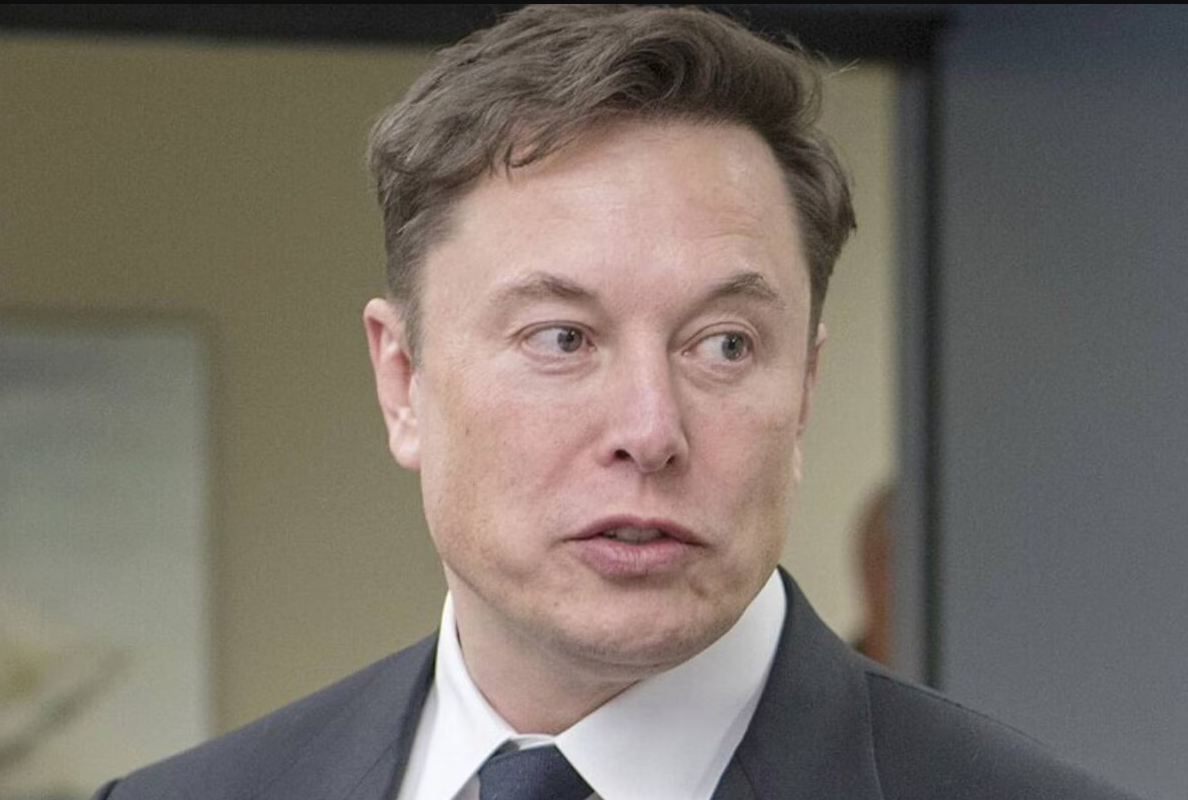
June 2026 — In a historic financial milestone, Elon Musk has reportedly become the world's first trillionaire, marking a new chapter in global wealth creation and technological entrepreneurship. The achievement, driven largely by the soaring valuations of his companies and investments, has sparked worldwide discussion about the sheer scale of a trillion-dollar fortune.
While many people can easily understand a million dollars and perhaps even a billion, a trillion dollars is a number so large that it becomes difficult to visualize. To put it into perspective, one trillion dollars equals 1,000 billion dollars or 1,000,000 million dollars.
If you were to spend $1 million every day, it would take nearly 2,740 years to spend $1 trillion. Even at an astonishing rate of $10 million per day, it would still take more than 270 years to exhaust such wealth.
The difference between a billion and a trillion is equally staggering. Imagine counting one number every second without stopping. Reaching one million would take about 11 days. Counting to one billion would require almost 32 years. Counting to one trillion, however, would take more than 31,000 years.
Physical comparisons make the scale even more remarkable. A stack of $100 bills worth $1 million stands just over 3 feet high. A stack representing $1 billion would rise over 3,500 feet—higher than many skyscrapers. A stack representing $1 trillion would stretch more than 670 miles into the sky, reaching far beyond the edge of Earth's atmosphere.
Musk's rise to trillionaire status reflects the growing influence of technology, artificial intelligence, space exploration, renewable energy, and advanced manufacturing. His ventures have reshaped industries ranging from electric vehicles and energy storage to satellite communications and private spaceflight.
Supporters view the milestone as evidence of extraordinary innovation and value creation. Critics, however, point to growing wealth inequality and question whether such concentrated wealth is beneficial for society. The debate is likely to intensify as the gap between the world's wealthiest individuals and average households continues to widen.
Regardless of one's perspective, the trillion-dollar milestone highlights how modern technology companies can create unprecedented economic value in a relatively short period. It also serves as a reminder that a trillion dollars is not merely a larger version of a billion—it is a fundamentally different scale altogether.
As the world reacts to this historic achievement, one thing is certain: Elon Musk's entry into the trillionaire club has redefined the limits of personal wealth and sparked a global conversation about money, innovation, and the future of the economy.