When it comes to correcting vision problems such as nearsightedness (myopia), farsightedness (hyperopia), astigmatism, and presbyopia, both glasses and contact lenses are highly effective options. However, many people wonder which is better for their eyes over the long term. The answer isn't as simple as choosing one over the other. Eye care experts agree that the healthiest option depends on your lifestyle, how well you care for your lenses, and your individual eye health.
Glasses remain the safest vision correction method for most people because they do not come into direct contact with the eyes. They are easy to use, require minimal maintenance, and carry virtually no risk of eye infections.
Another benefit of glasses is that they provide protection from environmental factors such as dust, wind, and debris. Many modern lenses also include coatings that reduce glare, block harmful UV rays, and filter blue light from digital screens, making them more comfortable for prolonged computer use.
Glasses are particularly suitable for children, older adults, and people with dry eyes or allergies, as they avoid irritation that can sometimes occur with contact lenses.
Contact lenses offer excellent vision correction and a wider field of view because they move naturally with the eyes. They are popular among athletes and people who prefer not to wear glasses for cosmetic or practical reasons.
However, contact lenses require strict hygiene. Poor cleaning habits, sleeping in lenses not designed for overnight wear, or wearing lenses longer than recommended can significantly increase the risk of eye infections, including bacterial keratitis, a potentially serious condition that can threaten vision.
Experts recommend washing hands thoroughly before handling contact lenses, using only approved cleaning solutions, replacing lenses according to schedule, and never sharing lenses with others.
Research suggests that when used correctly, both glasses and contact lenses are safe for long-term vision correction. The greatest risks associated with contact lenses arise from improper use rather than the lenses themselves.
People who frequently experience dry eyes, redness, irritation, or recurrent infections may benefit from switching to glasses for part of the day or discussing alternative lens options with their eye care professional.
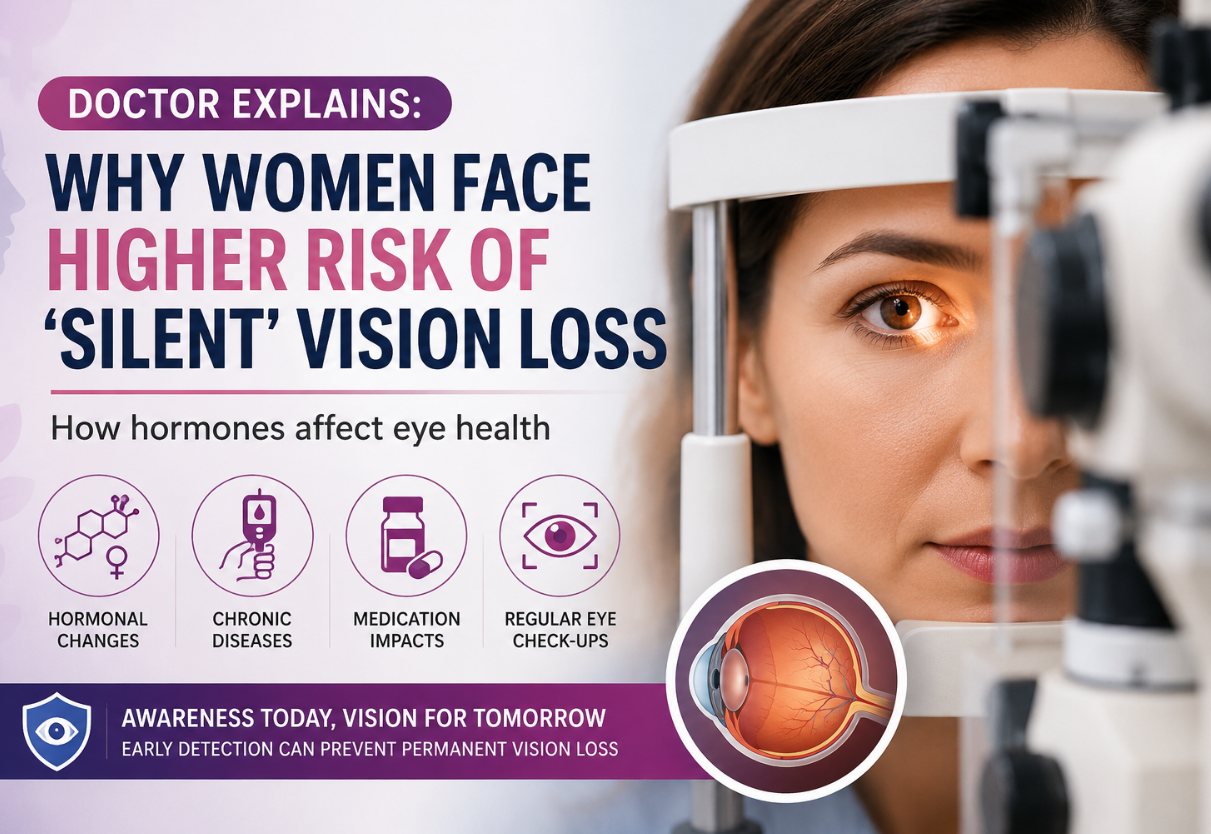
Regular comprehensive eye examinations are essential regardless of whether you wear glasses or contacts. Vision prescriptions can change over time, and routine eye exams help detect conditions such as glaucoma, cataracts, diabetic eye disease, and retinal disorders before symptoms appear.
Many ophthalmologists recommend using both glasses and contact lenses depending on the situation. Wearing contact lenses during work, sports, or social occasions and switching to glasses at home allows the eyes to rest while reducing continuous contact lens wear.
This balanced approach can improve comfort, reduce the risk of dryness, and provide flexibility without compromising vision quality.
Neither glasses nor contact lenses are inherently better for your eyes in the long run. Glasses generally offer the lowest risk of complications and require less maintenance, while contact lenses provide greater convenience and a more natural field of vision when used responsibly. The best choice depends on your lifestyle, eye health, and commitment to proper lens care. Consulting an eye care professional can help determine the most suitable option for maintaining healthy vision for years to come.