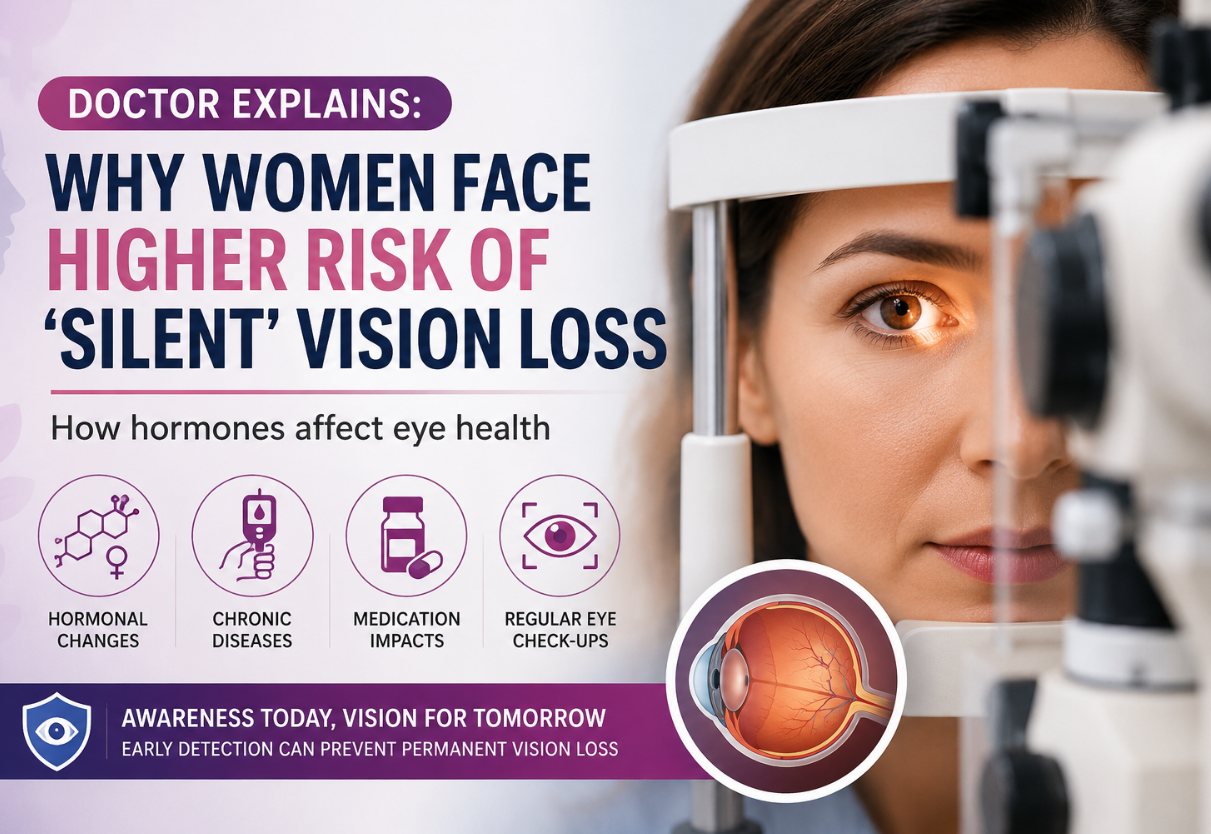
Women are more vulnerable to “silent” vision loss than many realise, and hormones play a major role in shaping eye health throughout life. From puberty and pregnancy to menopause, hormonal fluctuations can affect tear production, eye pressure and even the retina. Experts warn that these changes, combined with chronic diseases and long-term medication use, may quietly damage vision without obvious symptoms.
Doctors explain that conditions such as dry eye syndrome are significantly more common in women because estrogen and androgen hormones directly influence tear glands. During pregnancy, women may experience blurred vision or increased sensitivity to light due to fluid retention and hormonal shifts. Menopause further increases risks as declining estrogen levels reduce natural lubrication, making eyes dry, irritated and more prone to infection.
More concerning, however, are “silent” eye diseases like glaucoma, diabetic retinopathy and age-related macular degeneration. These conditions often progress without pain or noticeable vision changes until permanent damage has already occurred. According to ophthalmologists, women tend to live longer than men, which increases their lifetime risk of age-related eye disorders.
Hormones are not the only factor. Chronic diseases such as diabetes, hypertension and thyroid disorders disproportionately affect women in certain age groups and can severely impact eye health. Diabetes, for instance, damages tiny blood vessels in the retina, leading to diabetic retinopathy — one of the leading causes of blindness worldwide. High blood pressure can also weaken retinal vessels and increase the risk of vision loss.
Experts also highlight the role of medications. Long-term use of steroids for autoimmune diseases, asthma or skin conditions may increase eye pressure and trigger glaucoma or cataracts. Certain oral contraceptives and hormone replacement therapies can also contribute to dry eyes or changes in corneal thickness. Even common medications like antihistamines and antidepressants may reduce tear production over time.
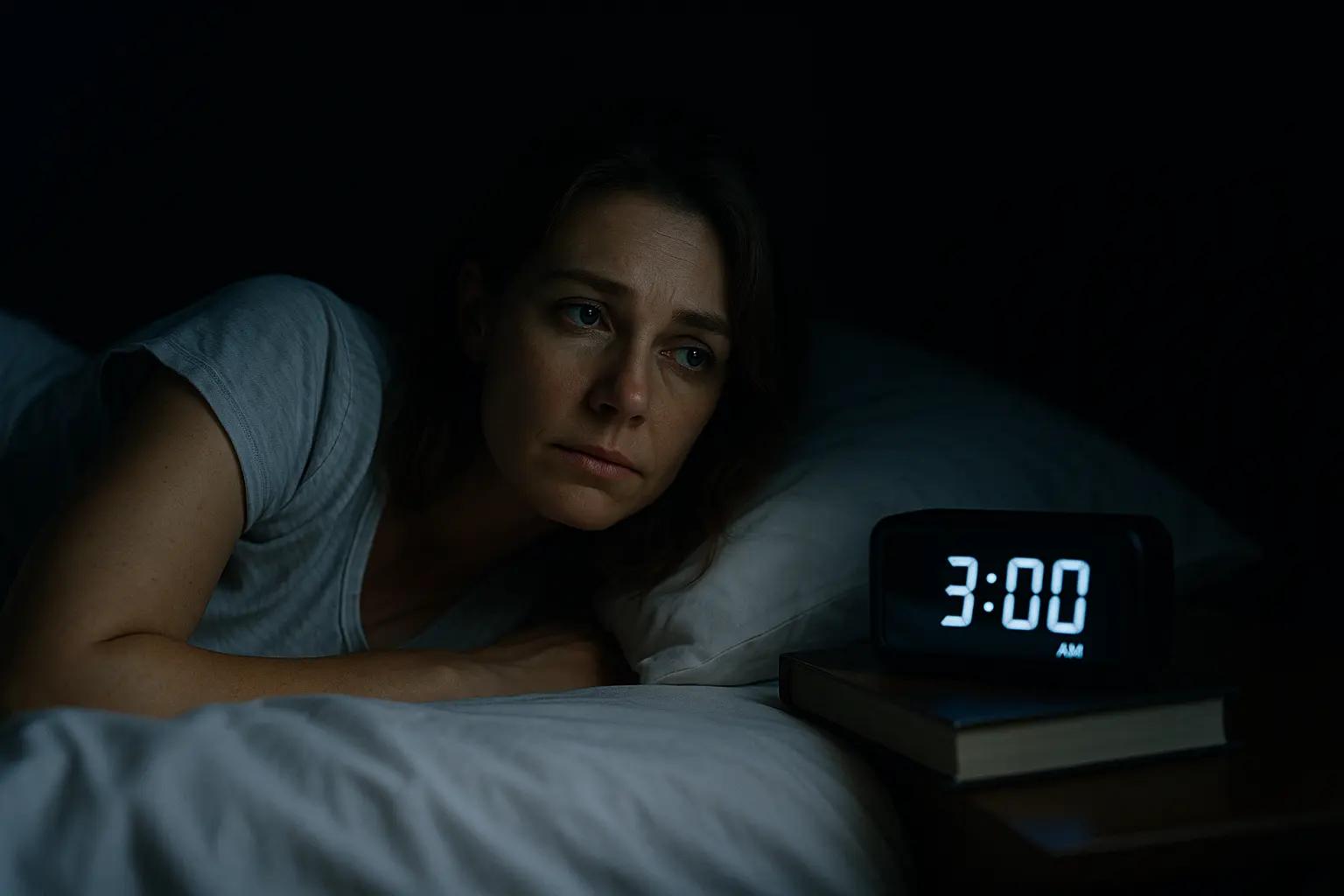
Lifestyle habits can worsen the problem. Increased screen time, poor sleep, smoking and inadequate nutrition place additional stress on the eyes. Many women ignore early symptoms such as eye strain, headaches or occasional blurry vision, assuming they are temporary. Doctors stress that these warning signs should never be overlooked.
Preventive care remains the strongest defence against silent vision loss. Eye specialists recommend comprehensive eye examinations every one to two years, especially for women over 40 or those with diabetes, hypertension or a family history of eye disease. Regular retinal screening can detect hidden damage before symptoms appear.
Nutrition also plays a protective role. Foods rich in omega-3 fatty acids, vitamin A, vitamin C, zinc and lutein support long-term eye health. Staying hydrated, reducing screen exposure and wearing UV-protective sunglasses are equally important.
Experts conclude that awareness is critical. Hormonal changes are a natural part of a woman’s life, but their impact on vision is often underestimated. Early diagnosis, healthy habits and regular eye check-ups can help women protect their eyesight and prevent irreversible damage before it is too late.