For generations, rice and chapati have been the centre of South Asian meals. From breakfast to dinner, large portions of carbohydrates dominate plates across India, Pakistan, Bangladesh, Sri Lanka, and Nepal. While these traditional foods are deeply connected to culture and daily life, health experts now say the typical South Asian plate may be contributing to rising obesity, diabetes, and prediabetes rates.
A growing number of nutrition researchers are encouraging people to rethink how they build their meals. According to a recent review on metabolic health, the ideal plate for South Asians should consist of half vegetables, one-quarter protein, and only one-quarter carbohydrates such as rice, chapati, or other grains. Experts believe this simple shift could significantly improve blood sugar control, support weight loss, and reduce the risk of chronic diseases.
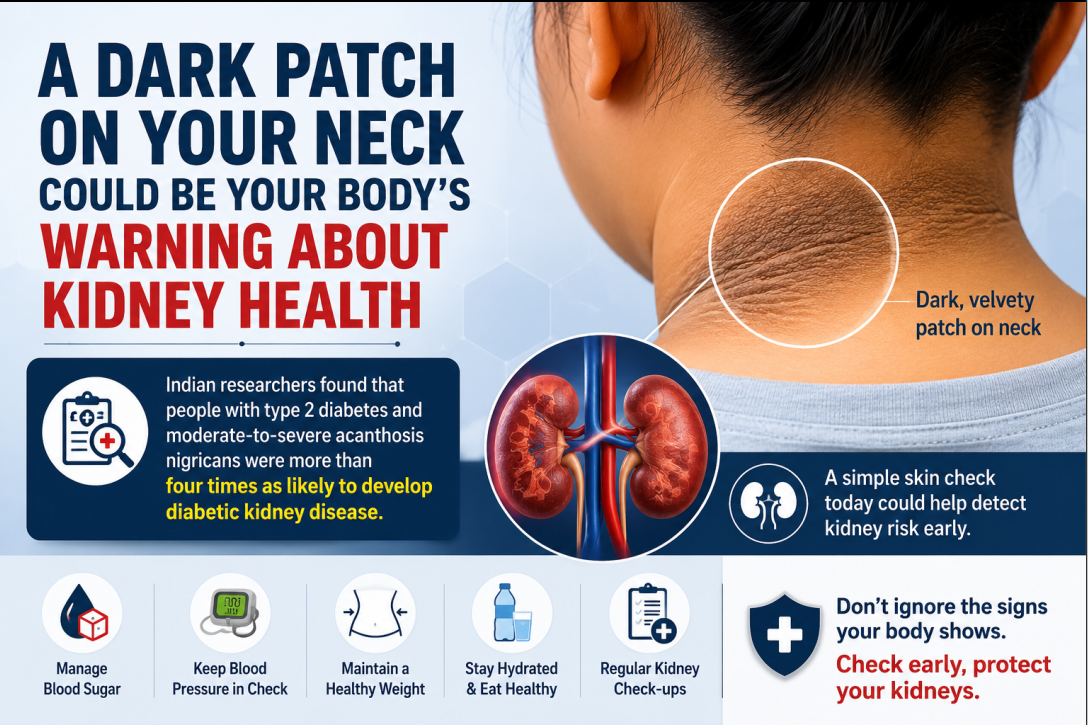
South Asians are known to have a higher risk of developing type 2 diabetes and heart disease even at lower body weights compared to many other populations. Doctors explain that diets high in refined carbohydrates, combined with sedentary lifestyles and stress, are key contributors to this growing health crisis. White rice, polished grains, sugary snacks, and oversized portions can cause rapid spikes in blood sugar, leading to insulin resistance over time.
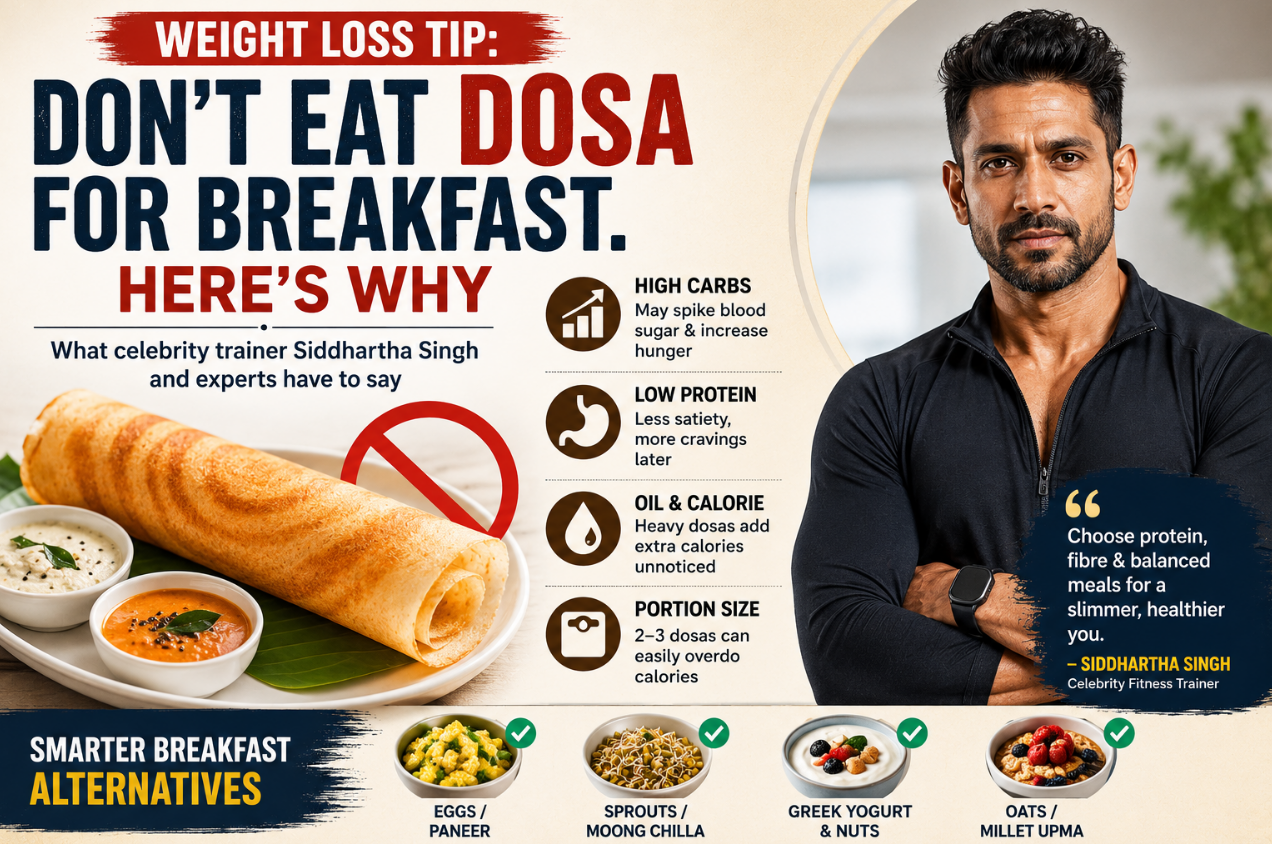
Nutritionists say the problem is not rice or chapati alone, but the imbalance on the plate. In many homes, vegetables and protein-rich foods are eaten in smaller amounts while carbohydrates take up most of the meal. This pattern often leaves people feeling hungry again soon after eating, increasing cravings and overeating.
The recommended “balanced plate” approach aims to correct this imbalance. Half the plate should include fibre-rich vegetables such as spinach, beans, carrots, cucumber, cabbage, cauliflower, gourds, tomatoes, and leafy greens. Vegetables are low in calories but rich in vitamins, minerals, antioxidants, and fibre that help improve digestion and slow down sugar absorption.
One-quarter of the plate should contain protein sources. This may include lentils, beans, chickpeas, paneer, tofu, eggs, fish, chicken, curd, or lean meat depending on personal food preferences. Protein helps maintain muscle mass, improves satiety, and prevents sudden rises in blood sugar levels after meals.
The remaining quarter can include carbohydrates like rice, chapati, millet, quinoa, or brown rice. Experts stress that carbohydrates are still an important source of energy, but portion control is essential. Replacing refined grains with whole grains and millets may offer additional benefits because they contain more fibre and nutrients.
Doctors also emphasise that meal timing and lifestyle habits are equally important. Regular physical activity, proper sleep, hydration, and stress management play major roles in preventing obesity and metabolic disorders. Even simple activities such as daily walking after meals can improve insulin sensitivity and digestion.
Health experts warn that prediabetes often develops silently without noticeable symptoms. Many people only discover they have blood sugar problems during routine medical check-ups. Early dietary changes can reverse prediabetes in many cases and prevent progression to type 2 diabetes.
Researchers believe the “half vegetables, quarter protein, quarter carbs” model offers a practical and sustainable solution for South Asians without completely giving up traditional foods. Instead of eliminating rice or chapati, the goal is to create balance, improve nutrition, and protect long-term metabolic health.
As obesity and diabetes rates continue to rise across South Asia, doctors say small changes on the plate today could prevent serious health complications in the future