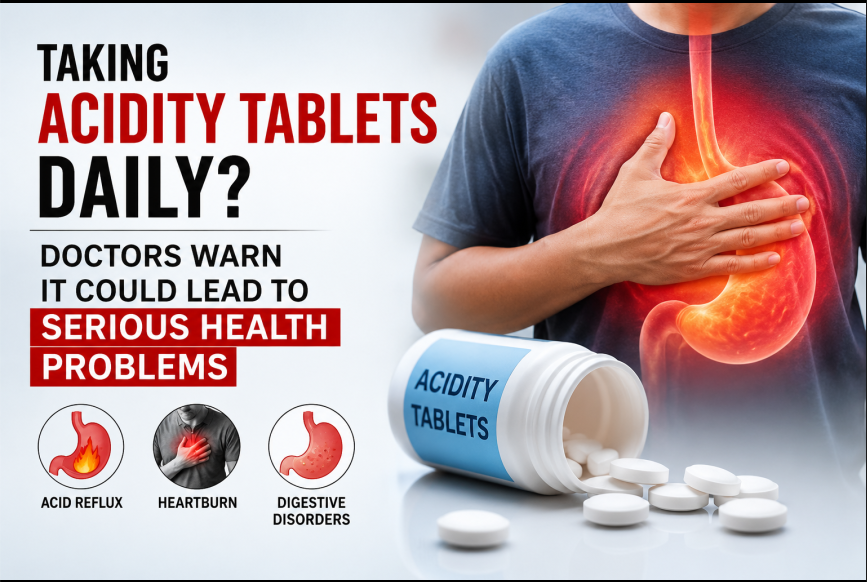
Acidity and heartburn are among the most common digestive complaints today. From spicy foods and irregular eating habits to stress and lack of sleep, several lifestyle factors can trigger acid reflux and stomach discomfort. As a result, many people rely on acidity tablets or antacids every day for quick relief. While these medicines may temporarily reduce symptoms, doctors warn that long-term and unsupervised use could sometimes hide serious health conditions and create additional complications.
Experts say occasional acidity is usually not dangerous. However, frequent heartburn that occurs several times a week should never be ignored. Persistent symptoms may indicate underlying digestive disorders such as gastroesophageal reflux disease (GERD), stomach ulcers, gastritis, or even more serious conditions affecting the food pipe and stomach.
Acidity medicines, including antacids and proton pump inhibitors (PPIs), work by reducing or neutralising stomach acid. These medicines are often effective in relieving burning sensations, chest discomfort, bloating, and sour taste in the mouth. But taking them daily without medical supervision can sometimes delay proper diagnosis of the actual problem.
Doctors explain that stomach acid plays an important role in digestion and nutrient absorption. Long-term suppression of stomach acid may interfere with the body’s ability to absorb essential nutrients such as vitamin B12, calcium, magnesium, and iron. Over time, this could increase the risk of fatigue, weak bones, muscle cramps, and nutritional deficiencies.
Some studies have also linked prolonged use of acid-reducing medicines with a higher risk of kidney problems, intestinal infections, and changes in gut bacteria. Since stomach acid acts as a natural defence against harmful microbes, reducing acid levels for long periods may allow certain bacteria to grow more easily in the digestive tract.
Another concern is that regular acidity symptoms are sometimes mistaken for simple indigestion when they may actually signal a more serious condition. Doctors warn that persistent heartburn, difficulty swallowing, unexplained weight loss, vomiting, or chest pain should be evaluated immediately. Ignoring these symptoms and continuing self-medication may worsen the underlying illness.
Lifestyle habits are often a major cause of recurring acidity. Eating large meals late at night, consuming oily or spicy foods, smoking, alcohol intake, excessive caffeine, and stress can all increase acid production. Lack of exercise and obesity may also contribute to acid reflux by putting pressure on the stomach.
Health experts recommend making lifestyle changes instead of depending only on tablets. Eating smaller meals, avoiding lying down immediately after eating, drinking enough water, and limiting processed foods can help reduce acidity naturally. Maintaining a healthy weight and reducing stress through exercise or relaxation techniques may also improve digestive health.
Doctors also advise people not to ignore frequent use of over-the-counter acidity medicines. If symptoms continue for more than two weeks or return repeatedly, a medical consultation is important. Early diagnosis can help identify digestive disorders before they become severe.
While acidity tablets can provide fast relief, they are not meant to replace proper medical evaluation and healthy lifestyle habits. Understanding the root cause of persistent heartburn is essential for protecting long-term digestive health and preventing serious complications in the future.