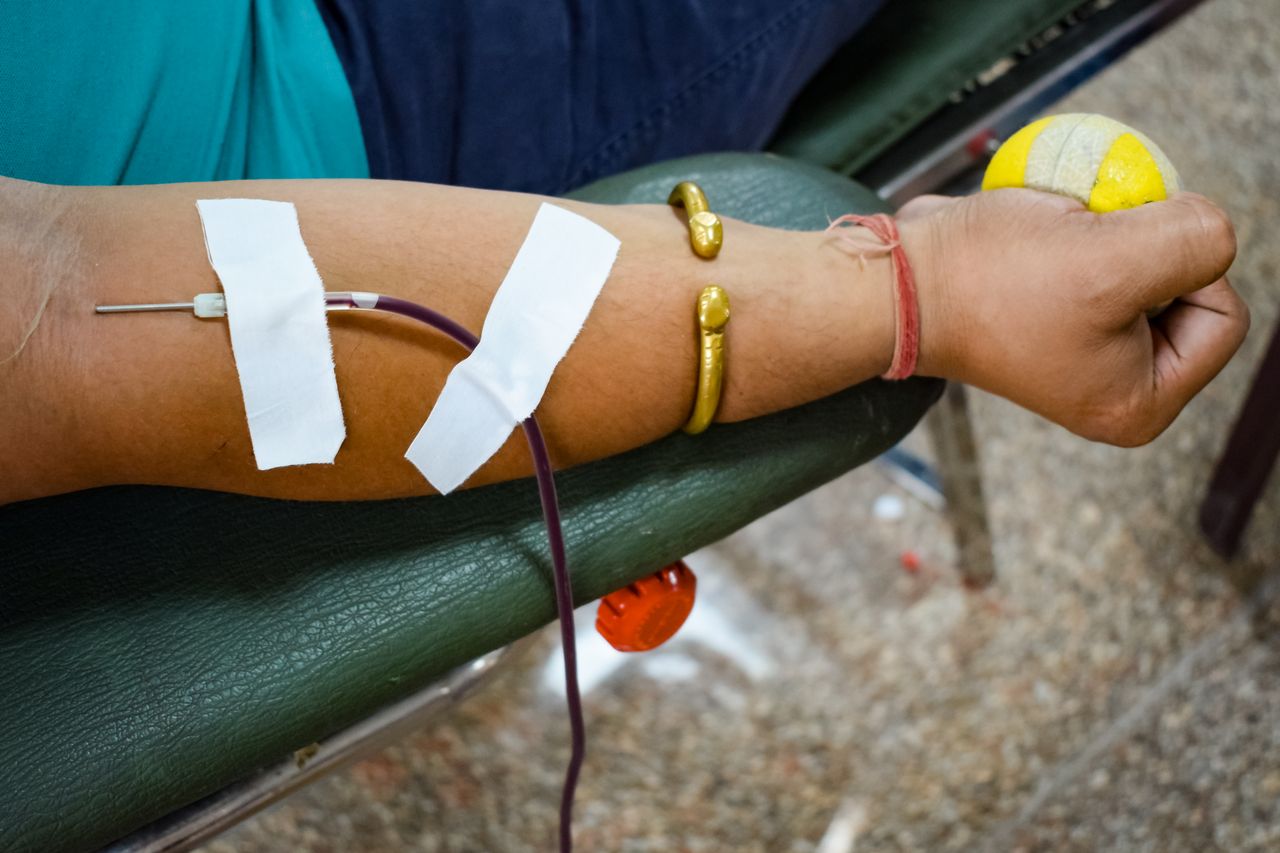
A blood transfusion is one of the most important medical procedures used to save lives during surgeries, accidents, childbirth complications, and severe illnesses. However, receiving the wrong blood type can trigger a dangerous and potentially fatal reaction inside the body. Medical experts say that even a small amount of incompatible blood can cause the immune system to attack the transfused blood cells almost immediately.
Human blood is classified into different groups based on the presence or absence of specific proteins called antigens. The main blood groups are A, B, AB, and O, along with the Rh factor, which can be positive or negative. Before any transfusion, hospitals carefully match donor blood with the recipient’s blood type to avoid complications.
When the wrong blood type is injected, the body recognizes the transfused red blood cells as foreign invaders. The immune system responds aggressively by producing antibodies that attack and destroy the incompatible blood cells. This process is known as an acute hemolytic transfusion reaction.
The reaction can begin within minutes. Early symptoms may include fever, chills, sweating, chest pain, back pain, rapid heartbeat, anxiety, and difficulty breathing. Some patients may also experience nausea or a feeling of impending doom. In severe cases, the immune response can cause blood vessels to become damaged and lead to a sudden drop in blood pressure.
As the mismatched blood cells break apart, they release harmful substances into the bloodstream. These substances can overwhelm the kidneys, leading to kidney failure. Blood clotting problems may also develop, increasing the risk of internal bleeding. If not treated immediately, the reaction can progress to shock, organ failure, and even death.
Doctors consider incompatible blood transfusions a medical emergency. The first step is to stop the transfusion immediately. Medical teams then provide supportive treatment, including intravenous fluids, oxygen, medications to stabilize blood pressure, and careful monitoring of kidney function. In some situations, patients may require intensive care treatment.
Fortunately, wrong blood transfusions are extremely rare today because hospitals follow strict safety protocols. Blood samples are tested multiple times, labels are checked carefully, and compatibility tests are performed before transfusions begin. Many hospitals also use barcode scanning systems and digital verification processes to reduce human error.
Certain blood types are considered more flexible in transfusions. People with O-negative blood are often called “universal donors” because their red blood cells can usually be given to most patients in emergencies. Meanwhile, individuals with AB-positive blood are known as “universal recipients” because they can receive blood from many different types. Even so, doctors still prefer exact blood matching whenever possible.
Experts emphasize that blood transfusions remain very safe and lifesaving procedures when proper precautions are followed. Awareness of blood compatibility is critical because the immune system is designed to protect the body from anything it sees as foreign — including incompatible blood. That is why careful testing and verification are essential before every transfusion takes place.