The monsoon season brings welcome relief from the summer heat, but it also creates ideal conditions for the spread of infectious diseases. Across India, hospitals are reporting an early increase in cases of dengue, malaria, leptospirosis, and seasonal viral fevers. Stagnant water, increased mosquito breeding, flooding, and poor sanitation contribute significantly to the spread of these illnesses.
Health experts advise people to stay alert, recognize early symptoms, and seek timely medical care. Early diagnosis and appropriate treatment can prevent serious complications and save lives.
Dengue is a mosquito-borne viral infection spread by the Aedes mosquito, which breeds in clean, stagnant water. Common symptoms include sudden high fever, severe headache, pain behind the eyes, muscle and joint pain, nausea, vomiting, and skin rashes. Some patients may experience bleeding gums, nosebleeds, or severe abdominal pain, which require immediate medical attention.
Doctors recommend avoiding self-medication with painkillers such as ibuprofen or aspirin, as they may increase the risk of bleeding. Staying hydrated and seeking medical evaluation are essential, especially if symptoms worsen.
Malaria is caused by parasites transmitted through the bite of infected Anopheles mosquitoes. Symptoms often include fever with chills, sweating, headache, body aches, fatigue, nausea, and vomiting. Without timely treatment, malaria can affect vital organs and become life-threatening.
Anyone experiencing recurring fever during or after the monsoon should consult a healthcare provider promptly for testing and treatment.
Leptospirosis is a bacterial infection that spreads through water or soil contaminated with the urine of infected animals, especially rats. Walking through floodwater with cuts or broken skin increases the risk of infection.
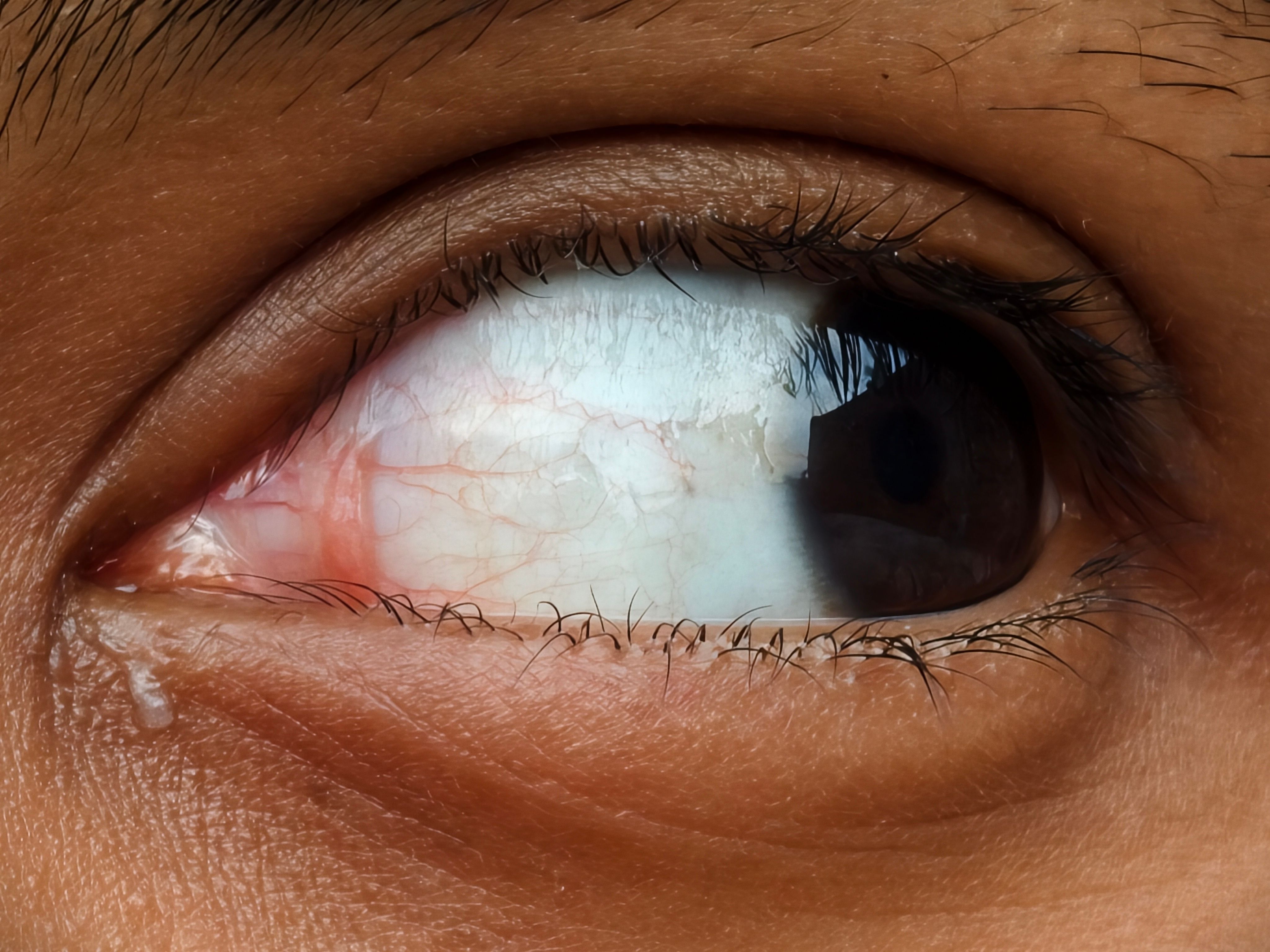
Early symptoms include fever, headache, muscle pain, red eyes, vomiting, and fatigue. In severe cases, leptospirosis can damage the kidneys, liver, lungs, and brain. Doctors advise seeking medical care immediately if symptoms develop after exposure to floodwater.
Not every fever during the monsoon is dengue or malaria. Many people develop viral infections that cause fever, sore throat, cough, runny nose, body aches, and weakness. Although these illnesses are usually mild and improve with rest, persistent high fever, breathing difficulty, dehydration, confusion, or symptoms lasting more than a few days should be evaluated by a healthcare professional.
Preventing monsoon-related diseases starts with reducing exposure to mosquitoes and contaminated water:
Seek medical attention immediately if you experience high fever lasting more than two days, severe abdominal pain, persistent vomiting, difficulty breathing, confusion, unusual bleeding, yellowing of the eyes or skin, reduced urine output, or severe weakness. Early diagnosis through appropriate laboratory tests helps doctors identify the cause and begin the right treatment.
Monsoon-related diseases are preventable with simple precautions and early medical care. Do not ignore persistent fever or other warning signs, especially during the rainy season. Maintaining cleanliness, preventing mosquito breeding, avoiding contaminated water, and consulting a healthcare professional when symptoms appear can significantly reduce the risk of severe illness and help keep you and your family safe throughout the monsoon.