In a world filled with complex fitness routines and expensive wellness trends, health experts say one of the most effective habits for improving overall well-being is surprisingly simple: taking a short walk after meals.
Doctors, nutritionists, and fitness professionals around the world increasingly recommend a 10- to 15-minute walk after eating as an easy and accessible way to boost health. While it may seem like a small change, this simple habit can have significant benefits for digestion, blood sugar control, heart health, and overall fitness.
One of the most immediate benefits of walking after a meal is improved digestion. Gentle movement helps stimulate the digestive system, encouraging food to move more efficiently through the stomach and intestines. This can reduce feelings of bloating, heaviness, and discomfort that many people experience after eating.
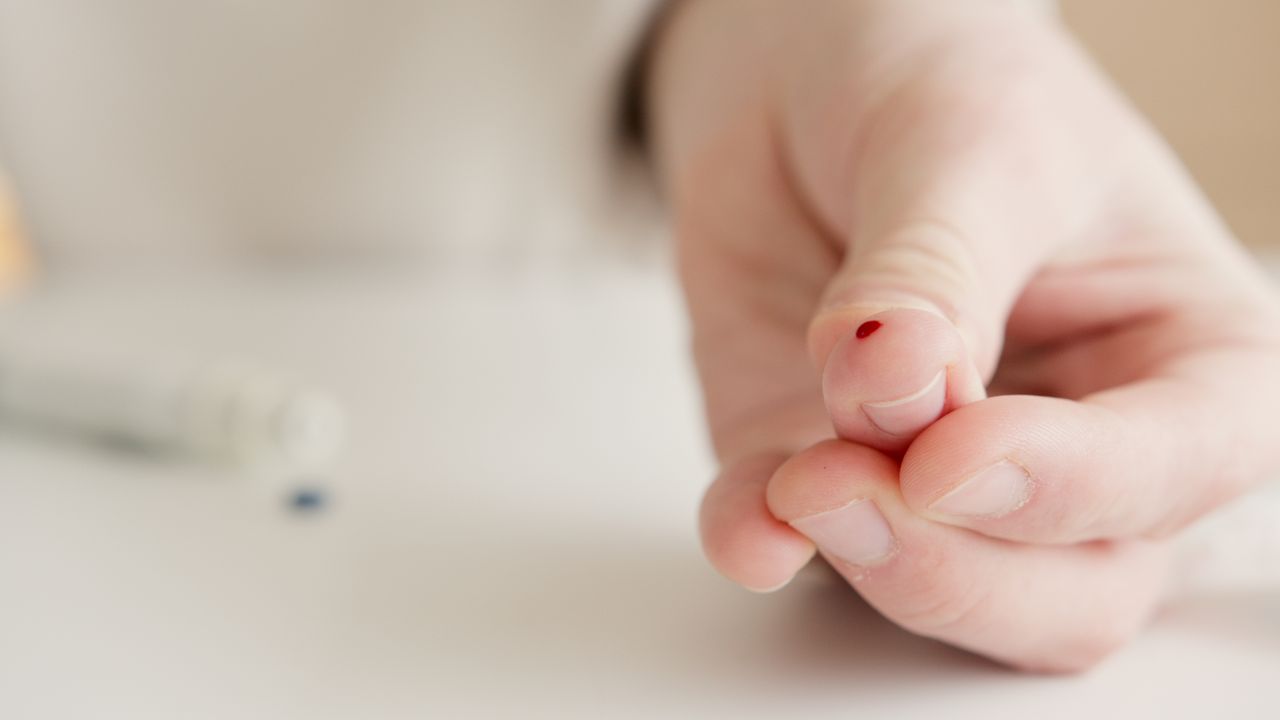
Post-meal walks are also known to support healthy blood sugar levels. After a meal, especially one rich in carbohydrates, blood glucose levels naturally rise. Walking helps muscles use glucose for energy, reducing spikes in blood sugar and improving insulin sensitivity. For individuals at risk of type 2 diabetes or those managing blood sugar concerns, this habit can be particularly beneficial.
Heart health is another area where post-meal walking can make a difference. Regular physical activity, even in short bursts, helps improve circulation, lower blood pressure, and support cardiovascular function. Over time, these small daily walks can contribute to a healthier heart and reduced risk of chronic diseases.
Research has also shown that walking after meals may aid in weight management. By increasing energy expenditure and improving metabolism, post-meal walks can help the body burn additional calories. While a 10-minute walk may not seem like much, the cumulative effect of walking after breakfast, lunch, and dinner can add up over weeks and months.
Another often-overlooked benefit is its positive impact on mental health. A short walk outdoors can reduce stress, improve mood, and provide a mental break from work or daily responsibilities. Exposure to fresh air and natural surroundings can further enhance feelings of relaxation and well-being.
Experts emphasize that the walk does not need to be intense. A comfortable pace is enough to activate the body's natural processes and deliver health benefits. The goal is consistency rather than speed or distance.
For those with busy schedules, post-meal walking offers a practical way to incorporate physical activity into daily life without requiring extra gym time or specialized equipment. It is a habit that can be adopted by people of nearly all ages and fitness levels.
As health professionals continue to promote sustainable lifestyle changes, walking after meals stands out as one of the simplest and most effective habits for long-term wellness. Just 10 to 15 minutes of movement after eating could improve digestion, support blood sugar control, boost heart health, and enhance overall quality of life—making it one of the best health upgrades anyone can adopt.