Fatty liver disease, once considered a minor lifestyle disorder, is now emerging as one of the leading causes of liver cancer in India. Doctors warn that the rapid rise in obesity, diabetes, unhealthy eating habits, and sedentary lifestyles is silently increasing the burden of non-alcoholic fatty liver disease (NAFLD), which can eventually progress to liver cirrhosis and liver cancer if left untreated.
According to health experts, fatty liver occurs when excess fat accumulates in the liver cells. While occasional fat deposits may not immediately cause harm, persistent fat buildup can trigger inflammation and liver damage over time. In India, the condition is becoming increasingly common among both urban and semi-urban populations due to changing lifestyles and dietary patterns.
Doctors explain that India is witnessing a sharp increase in metabolic disorders such as obesity, type 2 diabetes, high cholesterol, and hypertension — all of which are strongly linked to fatty liver disease. Excess consumption of processed foods, sugary beverages, junk food, and lack of physical activity are major contributors. Alarmingly, even younger adults in their 30s and 40s are now being diagnosed with advanced fatty liver disease.
Experts highlight that fatty liver disease often develops silently without noticeable symptoms. Many patients remain unaware until the condition progresses to severe liver inflammation, fibrosis, or cirrhosis. Over time, chronic liver injury can increase the risk of hepatocellular carcinoma, the most common type of liver cancer.
Doctors note that unlike traditional liver cancer cases linked mainly to alcohol abuse or hepatitis infections, fatty liver-related liver cancer is now rising rapidly among people who do not consume alcohol. This shift has become a major public health concern in India.
Medical specialists say that early detection is crucial because fatty liver disease is largely reversible in its initial stages. Routine health check-ups, liver function tests, ultrasound scans, and monitoring of blood sugar and cholesterol levels can help identify the condition early. Individuals with diabetes, obesity, or family history of metabolic disorders are advised to undergo regular screening.
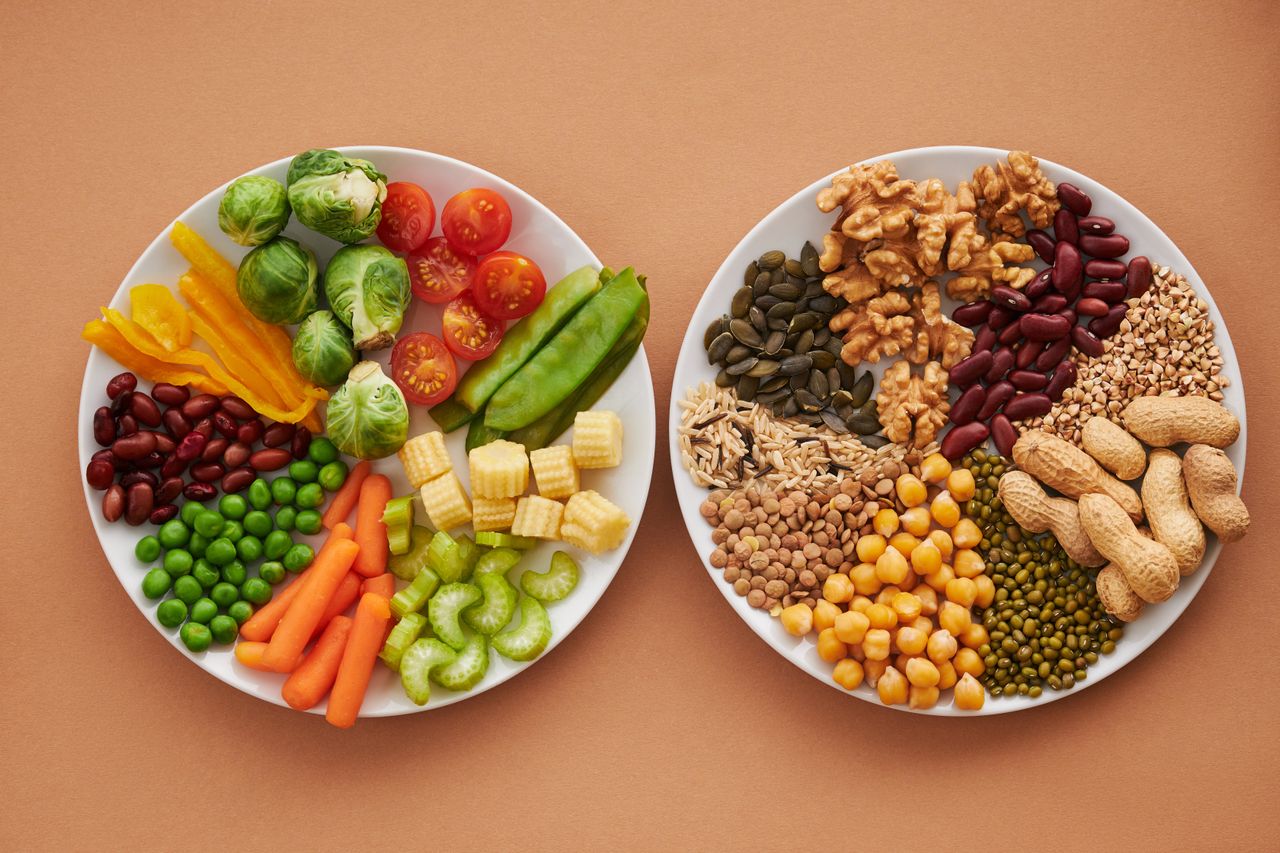
Lifestyle modification remains the cornerstone of treatment. Doctors recommend maintaining a healthy body weight, exercising regularly, following a balanced diet rich in fruits, vegetables, whole grains, and lean proteins, while avoiding excess sugar, fried foods, and processed items. Even a modest weight loss of 7–10 percent can significantly improve liver health.
Experts also stress the importance of controlling diabetes and cholesterol levels to reduce the progression of liver damage. In advanced cases, medical intervention and continuous monitoring may be required to prevent complications.
As fatty liver disease continues to rise across India, healthcare professionals urge greater public awareness about its long-term consequences. They emphasise that liver cancer linked to fatty liver can often be prevented through timely diagnosis, healthier lifestyle choices, and regular medical care.
With India facing a growing burden of lifestyle diseases, doctors believe that addressing fatty liver early could play a vital role in reducing future liver cancer cases and improving overall public health.