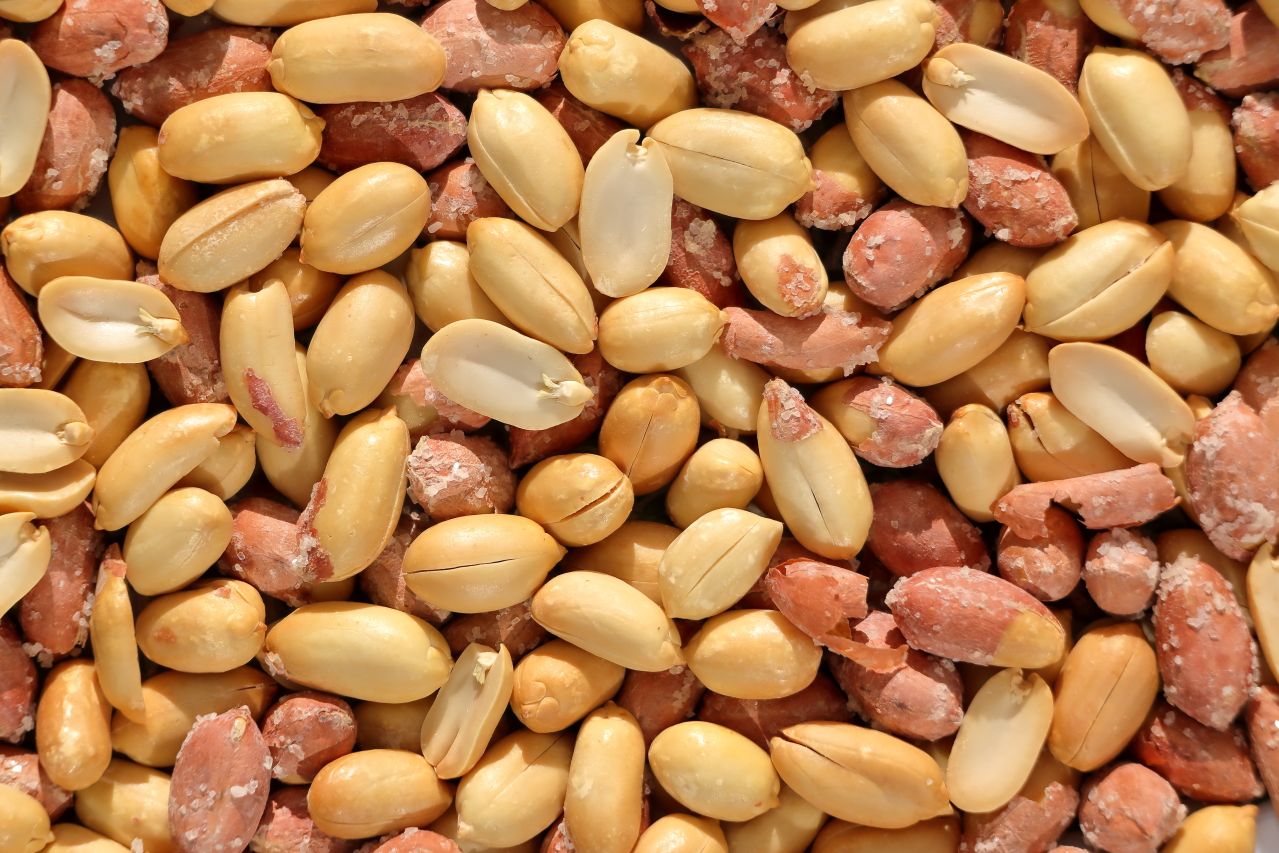
Chickpeas and peanuts are popular snack and protein-rich food choices enjoyed by millions of people worldwide. From roasted peanuts to hummus and chana-based dishes, these foods are often considered healthy because they provide plant protein, fibre, vitamins, and minerals. However, some people worry that eating chickpeas and peanuts regularly could increase the risk of kidney stones due to their purine content and their effect on uric acid levels.
So, should you stop eating them if you are concerned about kidney stones? Health experts say the answer depends on the type of kidney stones you are prone to and how much of these foods you consume.
Kidney stones are hard mineral deposits that form inside the kidneys. They can cause severe pain, nausea, and difficulty urinating. The most common types are calcium oxalate stones, uric acid stones, and struvite stones.
Diet plays an important role in kidney stone formation. Foods high in sodium, sugar, and certain compounds such as oxalates or purines may increase the risk in some individuals.
Chickpeas and peanuts contain moderate levels of purines. Purines are natural compounds found in many foods and are broken down into uric acid in the body. When uric acid levels become too high, crystals can form in the kidneys and lead to uric acid stones.
However, nutrition experts point out that moderate purine foods like chickpeas and peanuts are usually not the main cause of kidney stones in healthy people. Foods such as red meat, organ meats, shellfish, alcohol, and sugary beverages tend to contribute more significantly to elevated uric acid levels.
Peanuts also contain oxalates, which may be a concern for people who are prone to calcium oxalate kidney stones, the most common type. Eating very large amounts of peanuts regularly may increase oxalate intake, especially if water consumption is low.
Doctors and dietitians say portion control is important. Eating chickpeas and peanuts in moderate amounts as part of a balanced diet is generally considered safe for most people.
For example:
Problems are more likely to arise when these foods are eaten excessively or combined with poor hydration and unhealthy eating habits.
One of the best ways to reduce kidney stone risk is to drink enough water throughout the day. Proper hydration helps dilute minerals and uric acid in the urine, making stone formation less likely.
Health experts recommend drinking enough fluids to produce clear or pale yellow urine. People living in hot climates or those who sweat heavily may require even more water.
People who already have a history of uric acid stones or calcium oxalate stones should speak with a doctor or dietitian before making major dietary changes. In some cases, limiting high-oxalate foods or moderating purine intake may help prevent future stones.
Rather than completely avoiding chickpeas and peanuts, experts recommend focusing on overall dietary balance, staying hydrated, reducing excess salt and processed foods, and maintaining a healthy lifestyle.
For most people, enjoying these foods in moderation is unlikely to cause kidney stones on its own.